

How Web Design Influences Digital Marketing Success

The Overlooked Power of Web Design
In digital marketing, flashy ads and clever copy often steal the spotlight—but the true powerhouse behind long-term success is often hiding in plain sight: web design.
Your website is your brand’s home. It's the first impression. It’s where users land, explore, decide, and take action. Every ad, social post, and email campaign eventually funnels people to your site. If that destination fails—slow to load, confusing to use, hard to navigate—all your marketing efforts suffer.
This blog explores how great web design is a core driver of digital marketing performance, how it influences visibility, engagement, and conversions, and why design should never be an afterthought.

1. First Impressions Drive Conversions
It takes only 0.05 seconds for users to form an opinion about your website. That’s faster than the blink of an eye.
A clean, well-designed site builds trust immediately. A cluttered, outdated or hard-to-navigate one does the opposite—driving bounce rates up and conversions down.
What design gets right:
- A clear, consistent visual identity
- Professional layout and typography
- Clean, intuitive navigation
- Clear CTAs (calls to action)
- Visual hierarchy that guides the user journey
In digital marketing, trust is everything. Design lays the foundation.
2. SEO & Site Performance: Design Affects Rankings
Search engines don’t just look at your content. They analyse the quality of your user experience. Poor design can lower your rankings.
Here’s how web design impacts SEO:
- Mobile responsiveness: Google ranks mobile-friendly sites higher
- Page speed: Clunky, bloated design = slow load times = poor ranking
- Structured data & layout: Semantic HTML and clean structure help crawlers
- Readability: Proper font sizes, colour contrast and spacing reduce bounce
- Navigation: Easy-to-crawl architecture improves indexing
Design decisions affect crawlability, bounce rate, and time on site—all SEO signals.
3. UX = Higher Engagement
The best websites are invisible. Users don't need to think. They just flow.
Good UX (user experience) design simplifies the journey from entry to conversion. Digital marketing brings people in—UX design keeps them there.
Great UX includes:
- Logical site structure
- Fewer clicks to key actions
- Consistent visual cues
- Predictable patterns (menus, buttons, transitions)
- Accessibility (contrast, alt tags, screen-reader compatibility)
User-first design reduces friction. The result? Better engagement, lower bounce, higher retention.
4. Conversion-Focused Layouts
Every marketing campaign wants the same thing: action. That action—sign-up, download, purchase—happens (or doesn’t) on the website.
A well-designed site encourages conversion through strategic layout and design psychology:
Design tactics that improve conversion:
- Focal points: Use imagery, spacing and colour to draw attention to CTAs
- Whitespace: Makes key elements stand out
- Urgency cues: Countdown timers, low stock indicators, reviews
- Trust signals: Testimonials, client logos, awards, security badges
- Responsive design: Seamless experience on all screen sizes
Design is the silent persuader.
5. Brand Identity Reinforcement
Your website is your brand’s most powerful visual statement. It sets tone, mood, and personality.
If your brand voice on social is playful and your site is corporate and cold, that disconnect breaks trust.
Design builds identity through:
- Logo use and consistency
- Colour palette
- Typography
- Imagery and illustration style
- Micro-interactions and animations
Strong branding through design builds emotional connection and recall—essential for long-term marketing success.
6. Content Design: Letting Stories Shine
Content is king. But if the throne is uncomfortable, the king gets ignored.
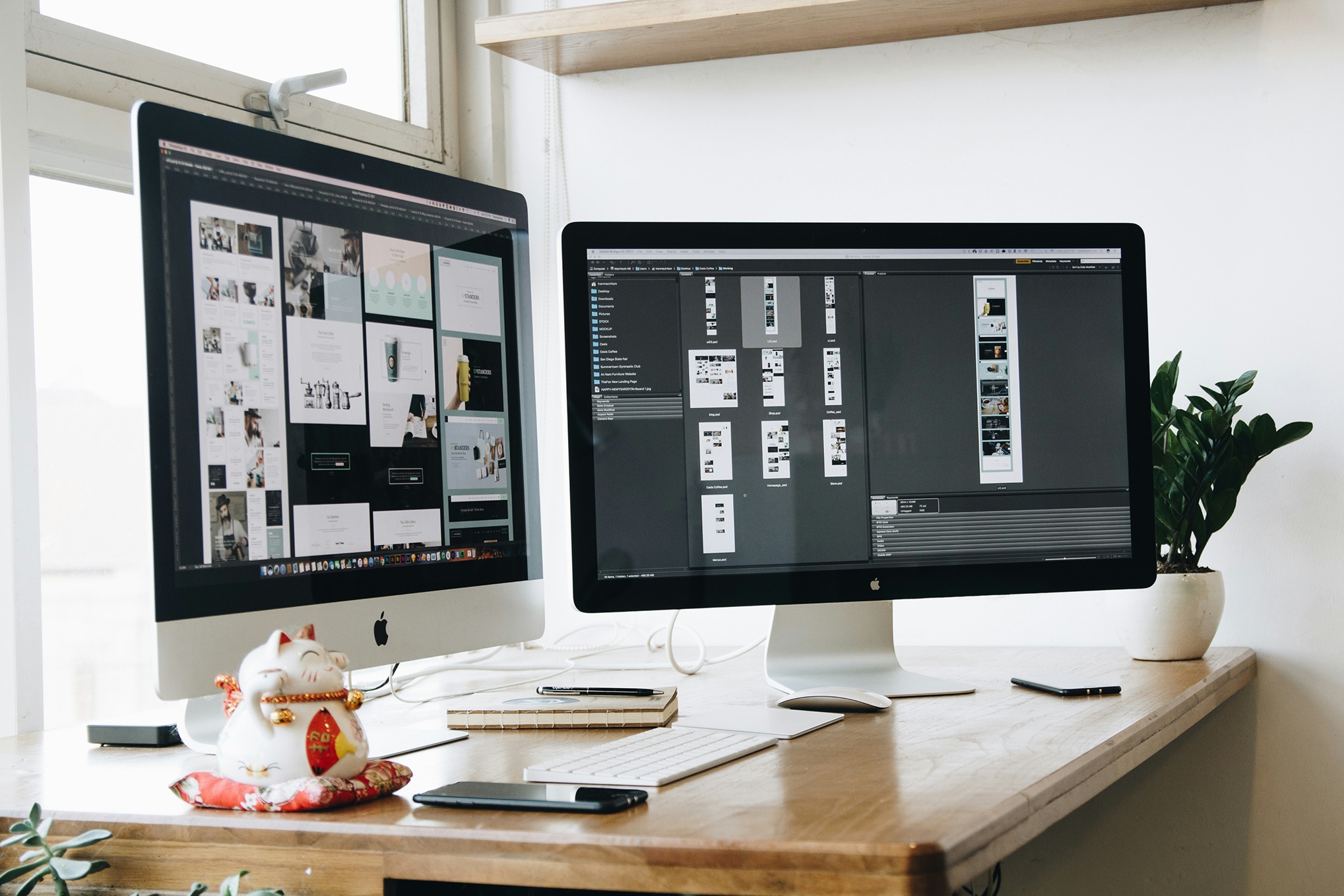
Design doesn’t just “wrap” your content—it enables it. Thoughtful layout, smart formatting and rich visual elements make content easier to digest and more engaging.
Good content design means:
- Headlines and body text with clear hierarchy
- Scannable structure with subheadings and bullet points
- Integrated visuals: charts, infographics, video, photography
- Interactive content blocks or scrolling animations
- Modular design: reusable, adaptable content sections
The better your content is presented, the more effective your blog, landing page or campaign will be.
7. Cross-Channel Consistency
Your website doesn’t live in a vacuum. It’s part of an ecosystem.
Your email, social, paid ads and video all push to your site. If the design feels disconnected from your other touchpoints, it breaks the journey.
Design consistency across channels builds:
- Recognition
- Trust
- A unified brand experience
Align visuals, tone, and interaction patterns across every customer touchpoint.

8. Responsive & Mobile-First Design Is Non-Negotiable
In many industries, 70–90% of site traffic comes from mobile.
If your site isn’t designed mobile-first, your entire digital marketing performance is suffering.
Mobile-first design ensures:
- Fast loading
- Tap-friendly buttons
- Content prioritisation
- Minimalist layout for small screens
- Accessible performance across devices
Mobile-first isn’t just best practice—it’s business-critical.
9. Analytics and Iteration: Design That Learns
One of the greatest powers of digital design is data-driven improvement.
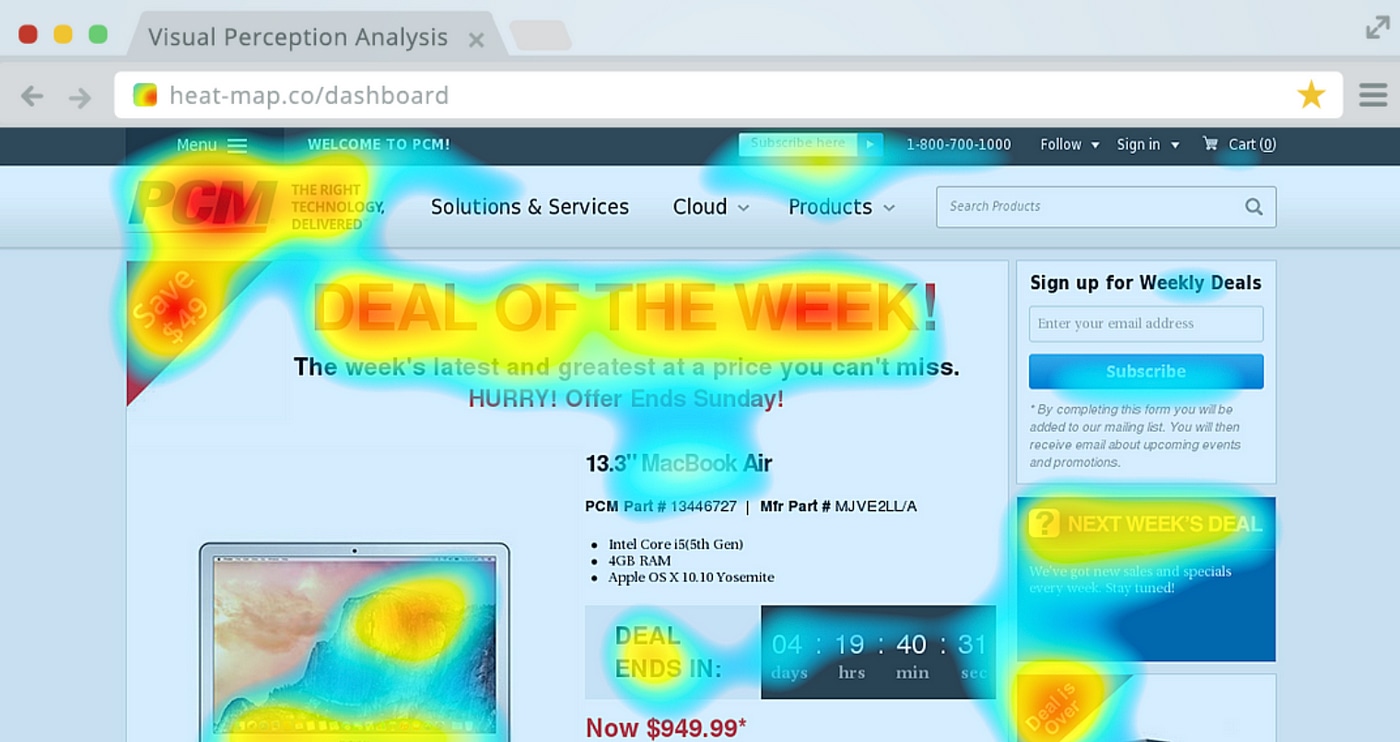
A/B testing design elements like CTAs, hero banners, or product pages helps you learn what works. Over time, your site becomes smarter and more effective.
Tools to support this include:
- Google Analytics
- Hotjar or Microsoft Clarity for heatmapping
- A/B testing platforms (Google Optimize, VWO, etc.)
- Conversion tracking (Meta Pixel, GA4 Events, etc.)
Design + analytics = smarter marketing.
10. Collaborative Design = Stronger Campaigns
Great websites aren’t made in silos.
Digital marketing and design teams should work hand-in-hand from day one. When design understands campaign goals—and strategy understands design limitations—better work emerges.
Collaboration leads to:
- Cohesive storytelling
- Higher ROI campaigns
- Faster production
- Less rework
- More user-focused experiences
Design shouldn’t be downstream from strategy. It should sit next to it.
Conclusion: The Design Multiplier
Every digital marketing action—every click, scroll, form fill, or purchase—happens on your website.
Web design isn’t just a support act. It’s the multiplier. It either lifts your marketing performance or quietly drains it.
From SEO and UX to conversion and brand storytelling, great design amplifies everything you do. It turns campaigns into conversions. Impressions into loyalty. Visitors into advocates.
So, don’t treat web design as a checkbox.
Treat it as your most powerful marketing channel.
